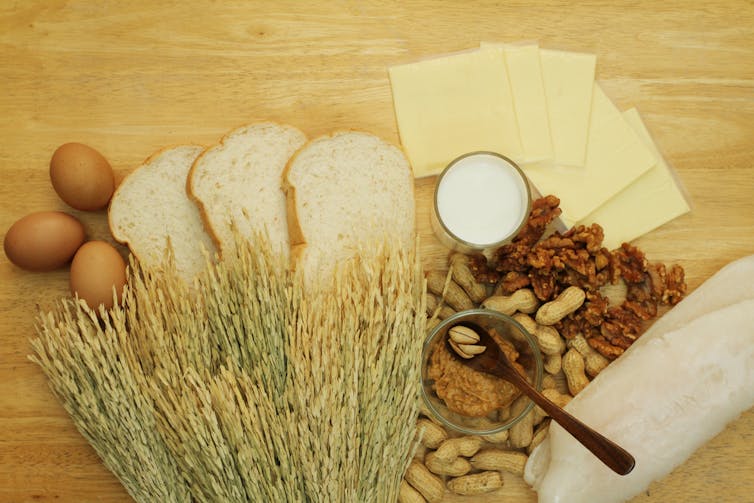
Children with eczema: the link to food allergies is not clear cut

File 20190425 121224 d7dvpx.jpg?ixlib=rb 1.1
TassaneeT via Shutterstock

Matthew Ridd, University of Bristol and Robert Boyle, Imperial College London

Around one in five children have eczema – and even mild cases can have a big impact on both the child and their family. For many, symptoms will come and go before they start primary school, but for others it can indicate the beginning of a genetic tendency to develop allergic conditions such as hay fever or asthma (or both). Continue reading
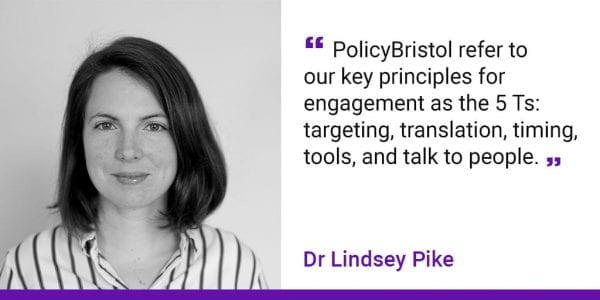

The ‘5 Ts’ of policy engagement: PolicyBristol’s approach to supporting academics

Supporting academics across the University of Bristol to achieve policy impact from their research is a diverse and fascinating job. In the process of doing this, our team at PolicyBristol is constantly learning about new topics; from the value of NHS managers to refugee rightsenhancing peace processes to the role of universities. Continue reading

Women face enough barriers to breastfeeding — incorrect medication advice should not be one of them

File 20190411 44814 3ogeb0.jpg?ixlib=rb 1.1
New research has found that mothers may be forgoing medication they need in order to breastfeed their babies.
LightField Studios/Shutterstock

Amy Brown, Swansea University; Gretel Finch, University of Bristol, and Heather Trickey, Cardiff University

The challenges many new mothers overcome to breastfeed their babies are well documented. Despite a public health system in the UK that promotes breastfeeding, many do not have access to the support that enables them to do it. Every day, services are being cut, public attitudes are negative, and this is exacerbated by a culture that does not really understand how breastfeeding works and how best to support it. Continue reading

Revoke Article 50 petition: largely Remainers signing – but there’s a surprising twist

Image credit: PA/Aaron Chown

Ron Johnston, University of Bristol; Charles Pattie, University of Sheffield, and David Manley, University of Bristol

Not surprisingly, much public attention has been given to the online petition asking parliament to revoke Article 50 so that the UK will remain within the European Union. It attracted more than 5m signatures within a week of being launched, making it the most signed petition since the government’s e-petition site began. It crashed the system multiple times over the course of the first few days. Continue reading

The social animals that are inspiring new behaviours for robot swarms

File 20190326 36252 wdqi1n.jpg?ixlib=rb 1.1
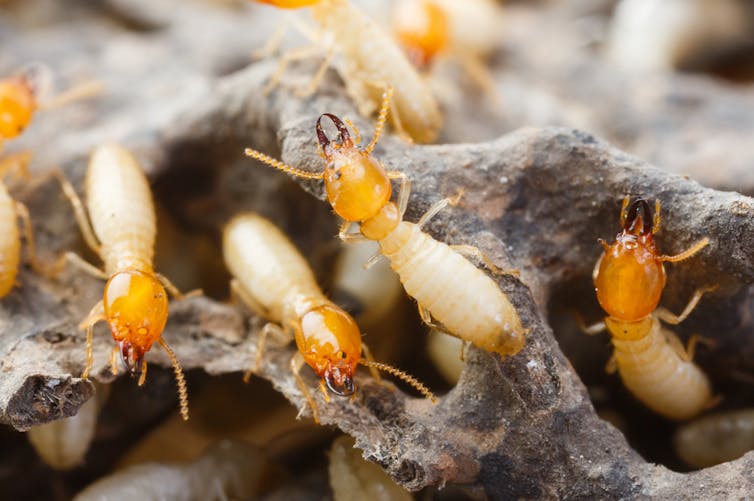
Termite team.
7th Son Studio/Shutterstock

Edmund Hunt, University of Bristol

From flocks of birds to fish schools in the sea, or towering termite mounds, many social groups in nature exist together to survive and thrive. This cooperative behaviour can be used by engineers as “bio-inspiration” to solve practical human problems, and by computer scientists studying swarm intelligence. Continue reading

Brexit extended to October 31: why the EU chose a six-month reprieve for its awkward partner

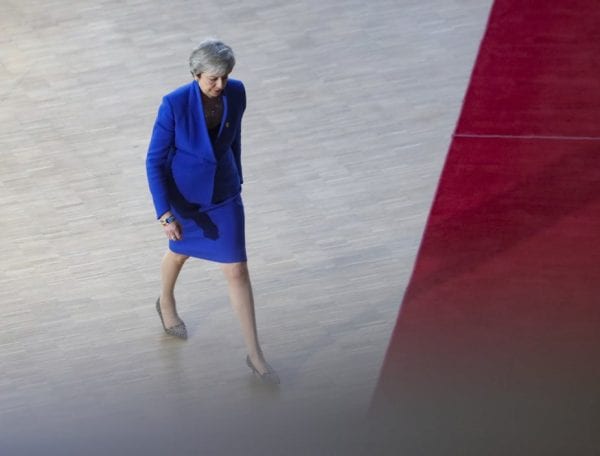
Theresa May has been granted a Brexit ‘flextension’ until the end of October. EPA/Olivier Hoslet
Nieves Perez-Solorzano, University of Bristol

In another Groundhog Day experience, and at the end of a difficult seven-hour meeting, the EU27 has agreed to give the UK until October 31 2019 to ratify the withdrawal agreement. The bloc has, however, attached three very specific conditions to this offer.

Should the UK and EU ratify the withdrawal agreement before October 31, the UK would exit the EU on the first day of the following month – hence why it is being dubbed a “flextension”. Continue reading

As archaeologists, it was our duty to take on Cadbury over ads encouraging kids to dig up ‘treasure’ – and we won

File 20190321 93060 17y0dti.jpg?ixlib=rb 1.1
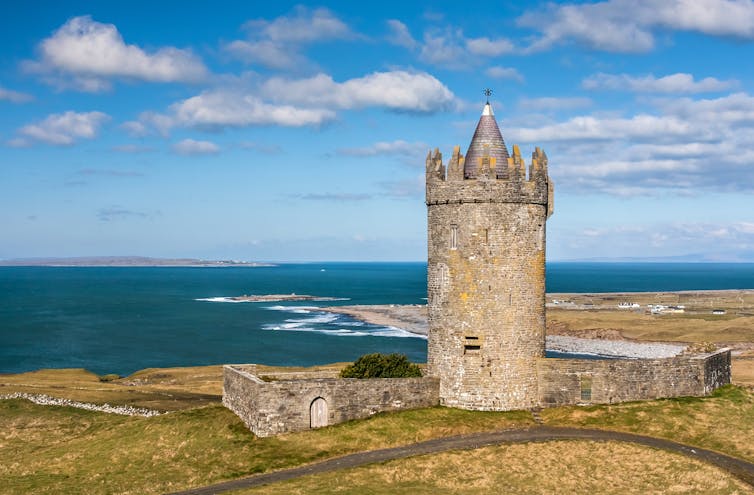
Doonagore Castle, which Cadbury incorrectly identified as Mooghaun Fort in its ad campaign.
Shutterstock.

Aisling Tierney, University of Bristol and Mark Horton, University of Bristol

The latest online campaign by chocolate giant Cadbury encouraged children to go “treasure hunting” over Easter. Kids were encouraged to “uncover underwater shipwrecks in Devon” or “dig up Viking silver on the River Ribble”. After discovering the website, archaeologists (ourselves included) launched a call to action, pointing out that such activities might well be breaking the law. Continue reading

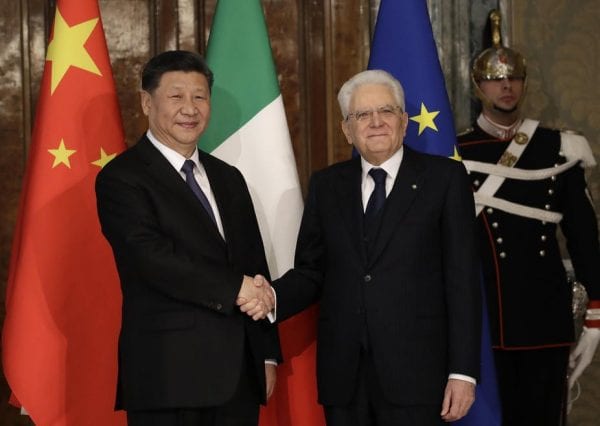
Italy joins China’s Belt and Road Initiative – here’s how it exposes cracks in Europe and the G7

China and Italy’s presidents shake hands. EPA-EFE/Alessandro Tarantino / Pool

Winnie King, University of Bristol

Italy is projected to be the first G7 nation to officially endorse China’s Belt and Road Initiative (BRI). And that’s raising the ire of both the European Union and the United States. Continue reading

Brexit deadline extended: why Brussels chose these dates and what happens now

Nieves Perez-Solorzano, University of Bristol

The 27 members of the European Union have responded to Britain’s request to extend the Brexit process with two deadlines, having agreed that the original Brexit date of March 29 is no longer feasible. Continue reading

Counter-terrorism Prevent strategy receives a boost from the courts – and statistical evidence

File 20190320 93054 3diipw.jpg?ixlib=rb 1.1
Shutterstock

Steven Greer, University of Bristol

Of the four “Ps” which frame the UK’s counter terrorism strategy – Pursue, Prepare, Protect and Prevent – the latter is by far the most controversial. It is the Prevent scheme which aims to stop people from becoming terrorists, or from supporting those who already are. Continue reading